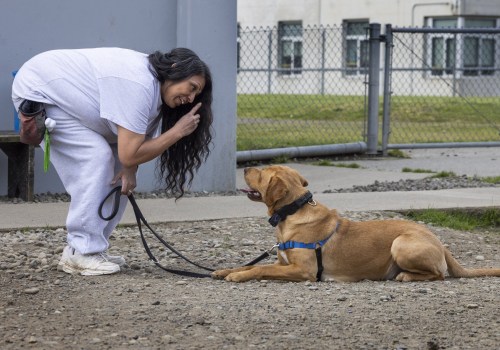
In the vibrant region of Western Washington, pet care organizations play a crucial role in ensuring the health and well-being of our furry companions. With a diverse array of services ranging from grooming and boarding to veterinary care, these organizations are dedicated to providing the best possible support for pet owners. However, as responsible pet guardians, it is essential to understand the vaccination requirements and health records that many of these organizations mandate. Vaccinations are not just a formality; they are vital for protecting pets from various diseases that can be harmful or even fatal. Many pet care organizations in Western Washington require proof of up-to-date vaccinations before accepting pets for services such as daycare or boarding.
This policy not only safeguards the health of individual animals but also helps maintain a safe environment for all pets in their care. Additionally, having comprehensive health records is important for pet owners. These documents provide essential information about a pet's medical history, including vaccinations, treatments, and any pre-existing conditions. Organizations often request these records to ensure that they can provide appropriate care tailored to each pet's needs. Understanding these requirements can help pet owners navigate the landscape of pet care services more effectively, ensuring their beloved animals receive the best possible attention.
Overview of Pet Care Organizations in Western Washington
Western Washington is home to a diverse array of pet care organizations that cater to the needs of pets and their owners.These organizations play a crucial role in ensuring the health, safety, and well-being of animals in the region. Below are some of the primary types of pet care organizations found in this area:
- Shelters and Rescue Organizations: These facilities focus on providing temporary homes for abandoned or stray animals. They often work tirelessly to find permanent homes for pets through adoption programs. Notable shelters in Western Washington include the Seattle Humane Society and PAWS.
- Veterinary Clinics: Essential for maintaining pet health, veterinary clinics offer a range of services from routine check-ups to emergency care.
Many clinics also provide vaccination services, which are critical for preventing diseases in pets.
- Boarding Facilities: For pet owners who travel, boarding facilities provide a safe environment for pets while their owners are away. These facilities often offer additional services such as grooming and training.
- Pet Daycares: These organizations allow pets to socialize and play during the day while their owners are at work. Daycares often have trained staff to supervise and engage with the animals.
Whether through adoption, medical care, or daily care services, these organizations provide invaluable support to both pets and their owners.
Vaccination Requirements for Pets
In Western Washington, pet care organizations adhere to specific vaccination requirements that are crucial for the health and safety of pets and the community. These requirements are often influenced by both local regulations and state laws, which aim to prevent the spread of infectious diseases among animals.One of the primary vaccinations mandated by law is the rabies vaccine. According to Washington state law, all dogs and cats over the age of four months must be vaccinated against rabies. This vaccination not only protects pets but also safeguards public health by reducing the risk of rabies transmission.In addition to rabies, many pet care organizations in Western Washington recommend or require other vaccinations, including:- Distemper
- Parvovirus
- Adenovirus
- Bordetella (Kennel Cough)
- Feline Leukemia (for cats)
Many organizations may require proof of these vaccinations before allowing pets to participate in daycare, boarding, or training programs.It is essential for pet owners in Western Washington to maintain accurate health records for their pets. These records should include vaccination dates and any other pertinent health information. Not only do these documents help in compliance with local regulations, but they also provide peace of mind when seeking services from pet care organizations.In summary, while rabies vaccination is a legal requirement in Washington state, many pet care organizations advocate for a comprehensive vaccination schedule to protect pets and the community. Pet owners should stay informed about both state laws and organizational policies regarding pet vaccinations in Western Washington.
Health Records: Importance and Requirements
Maintaining accurate health records for pets is crucial for both pet owners and pet care organizations in Western Washington.These records not only provide a comprehensive history of a pet's health but also ensure that they receive appropriate care and vaccinations. Many organizations require specific documentation to facilitate this process.
Importance of Health Records for Pets
- Continuity of Care: Health records allow veterinarians and pet care providers to track a pet's medical history, including previous illnesses, treatments, and vaccinations. This continuity is vital for effective treatment.
- Vaccination Tracking: Keeping an updated record of vaccinations helps ensure that pets are protected against common diseases. Many pet care organizations require proof of vaccinations before accepting pets for boarding or daycare.
- Emergency Situations: In case of an emergency, having immediate access to a pet's health records can be lifesaving.
It provides veterinarians with essential information about allergies, pre-existing conditions, and medications.
- Vaccination Records: Proof of current vaccinations, including rabies, distemper, and parvovirus, is often mandatory.
- Health Certificates: Some organizations may require a health certificate from a licensed veterinarian, especially if the pet is traveling or being boarded.
- Medical History: A summary of any past medical issues or surgeries can be beneficial for ongoing care.
Common Vaccinations Required by Pet Care Organizations
When considering pet care organizations in Western Washington, it's essential to understand the common vaccinations required for pets. These vaccinations not only protect your pet's health but also help prevent the spread of diseases within the community.- Core Vaccinations for Dogs:
- Rabies: Required by law, this vaccine protects against rabies, a fatal viral disease. Dogs should receive their first rabies vaccine at 12 to 16 weeks of age, with a booster every one to three years thereafter.
- DAPP (Distemper, Adenovirus, Parvovirus, Parainfluenza): This combination vaccine is crucial for preventing several serious diseases.
The initial series is given at 6 to 8 weeks of age, followed by boosters every 3 to 4 weeks until the dog is about 16 weeks old.
- Bordetella: Often required for dogs that will be in close contact with others, such as in boarding facilities or dog parks. This vaccine can be administered as early as 6 weeks of age and should be boosted annually.
- Core Vaccinations for Cats:
- Rabies: Similar to dogs, rabies vaccination is mandatory for cats. The first dose is typically given at 12 to 16 weeks of age, with boosters every one to three years.
- FVRCP (Feline Viral Rhinotracheitis, Calicivirus, Panleukopenia): This combination vaccine protects against multiple feline diseases. Kittens should receive their first dose at 6 to 8 weeks of age, with additional doses every 3 to 4 weeks until they are about 16 weeks old.
- FeLV (Feline Leukemia Virus): Recommended for cats that go outdoors or are at risk of exposure.
The initial vaccination can start as early as 8 weeks of age, followed by a booster after the first year.
FAQs About Pet Vaccination and Health Records in Western Washington
When it comes to pet care organizations in Western Washington, many pet owners have questions regarding vaccination and health record requirements. Here are some frequently asked questions that can help clarify these concerns:- What vaccinations are typically required by pet care organizations?
Most pet care organizations in Western Washington require pets to be up-to-date on core vaccinations. For dogs, this often includes rabies, distemper, parvovirus, and bordetella.For cats, the essential vaccinations usually include rabies, feline viral rhinotracheitis, calicivirus, and panleukopenia.
- Do I need to provide proof of vaccinations?
Yes, most organizations will ask for proof of vaccinations. This is typically in the form of a health certificate or vaccination records from a licensed veterinarian. It ensures that all pets are protected against common diseases and helps maintain a safe environment. - Are there any exceptions to vaccination requirements?
Some organizations may allow exemptions for pets with medical conditions that prevent them from being vaccinated. In such cases, a veterinarian's note may be required to confirm the exemption. - What about health records?
In addition to vaccination records, many pet care organizations also request comprehensive health records.This includes information on previous illnesses, surgeries, and any ongoing treatments. Having this information helps caregivers provide the best possible care for your pet.
- How often do I need to update my pet's vaccinations?
The frequency of vaccination updates can vary based on the type of vaccine and local regulations. Generally, core vaccines are administered every one to three years, but it’s essential to consult with your veterinarian for specific recommendations tailored to your pet's needs.
Conclusion: Ensuring Your Pet's Health and Compliance
In conclusion, understanding the requirements set forth by pet care organizations in Western Washington is crucial for every pet owner.These organizations play a vital role in promoting the health and well-being of pets, and adhering to their guidelines ensures that your furry friends receive the best possible care.Throughout this article, we have highlighted the importance of maintaining up-to-date vaccination records and health documentation. Many pet care facilities, including shelters, boarding services, and grooming establishments, require proof of vaccinations to prevent the spread of diseases. This not only protects your pet but also safeguards other animals in the community.
- Vaccination Requirements: Most organizations mandate core vaccinations such as rabies, distemper, and parvovirus. It is essential to check with each facility for specific requirements.
- Health Records: Providing a complete health history can help pet care providers offer tailored services and identify any potential health issues early on.
- Local Regulations: Be aware of local laws regarding pet vaccinations, as these can vary significantly across different areas in Western Washington.
Responsible pet ownership involves being proactive about your pet's health and ensuring they are protected against preventable diseases.Ultimately, engaging with pet care organizations in Western Washington fosters a community of responsible pet owners who prioritize the health and safety of their animals. Make it a point to regularly consult with your veterinarian and local pet care facilities to keep your pet's records current and to understand any changes in vaccination policies.