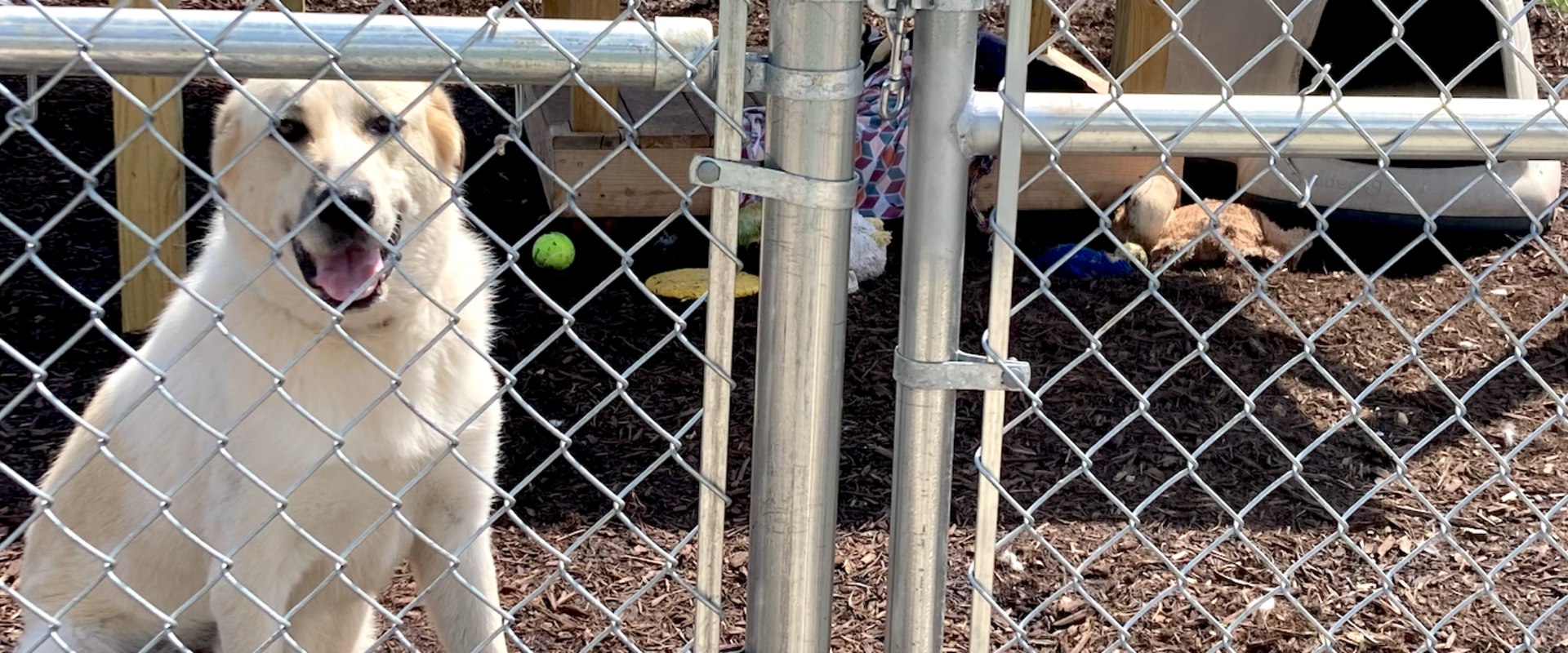
In recent years, the pet care industry in Western Washington has experienced significant growth, reflecting a broader trend across the United States. With a diverse range of services including grooming, boarding, training, and veterinary care, pet care organizations play a crucial role in ensuring the health and well-being of pets. This vibrant sector not only caters to the needs of pet owners but also contributes to the local economy by creating jobs and supporting small businesses. As the demand for pet care services continues to rise, it becomes increasingly important for these organizations to navigate the complex landscape of regulations and laws that govern their operations. Compliance with local, state, and federal regulations is essential not only for legal operation but also for building trust with clients.
Understanding these regulations helps pet care organizations maintain high standards of care and safety, which are paramount in an industry that directly impacts the lives of animals. This overview sets the stage for a deeper exploration of the specific regulations and laws that affect pet care organizations in Western Washington. By examining these guidelines, stakeholders can better appreciate the importance of compliance and its implications for both business practices and animal welfare. As we delve into this topic, it will become clear how adherence to these regulations not only protects pets but also enhances the reputation and sustainability of pet care businesses in the region.
Key Regulations Affecting Pet Care Organizations
In Western Washington, pet care organizations are subject to a variety of regulations and laws designed to ensure the health and safety of animals as well as the welfare of the community. Understanding these regulations is crucial for any organization operating in this sector.State Regulations:
The Washington State Department of Agriculture (WSDA) oversees many aspects of animal care, including licensing requirements for pet care facilities.Organizations must comply with the Animal Welfare Act, which sets standards for the humane treatment of animals. This includes proper housing, nutrition, and veterinary care.
Local Ordinances:
In addition to state laws, local municipalities in Western Washington may have their own specific regulations. For instance, cities like Seattle and Tacoma have ordinances that govern pet licensing, leash laws, and noise control related to pets. Pet care organizations must be aware of these local laws to avoid fines and ensure compliance.- Licensing: Most cities require pet care organizations to obtain a business license and may also require specific permits for boarding or grooming services.
- Health Regulations: Facilities must adhere to health codes that dictate sanitation practices, waste disposal, and emergency protocols.
- Insurance Requirements: Many localities mandate that pet care organizations carry liability insurance to protect against potential claims arising from accidents or injuries.
These laws are enforced by local animal control agencies and can vary significantly from one jurisdiction to another.In summary, navigating the regulatory landscape for pet care organizations in Western Washington requires a thorough understanding of both state and local laws. Organizations should regularly consult with legal experts or local authorities to stay updated on any changes in regulations that may affect their operations.
Licensing Requirements for Pet Care Facilities
Operating a pet care organization in Western Washington requires adherence to specific licensing requirements that vary by city and county. Understanding these regulations is crucial for ensuring compliance and maintaining a reputable business.In general, pet care facilities, including dog daycare centers, boarding kennels, and grooming salons, must obtain a business license from the local government. Here are some key steps to consider:- Business License: All pet care organizations must apply for a business license through their respective city or county office.
This process typically involves submitting an application and paying a fee.
- Zoning Regulations: Before establishing a facility, it’s essential to check local zoning laws. Some areas may have restrictions on where pet care businesses can operate, particularly in residential zones.
- Health and Safety Permits: Depending on the services offered, additional permits may be required. For instance, facilities that provide grooming or boarding services may need to comply with health department regulations.
- Insurance Requirements: While not always mandated, obtaining liability insurance is highly recommended to protect your business from potential claims related to pet injuries or property damage.
Health and Safety Standards for Pet Care Organizations
In Western Washington, pet care organizations are required to adhere to a variety of health and safety standards to ensure the well-being of animals in their care.These regulations are designed not only to protect pets but also to safeguard the public and the environment.
Health standards
for pet care facilities typically include requirements for sanitation, vaccination, and disease control. Organizations must maintain a clean environment, which involves regular cleaning and disinfection of all areas where animals are housed or cared for. This is crucial in preventing the spread of infectious diseases among pets.Additionally, pet care organizations must ensure that all animals are up-to-date on vaccinations as mandated by local laws. This includes vaccinations for common diseases such as rabies, distemper, and parvovirus.Compliance with these health regulations not only protects the animals but also helps in maintaining community health.
Safety standards
are equally important and encompass various aspects of animal handling and facility management. For instance, staff members must be trained in safe animal handling techniques to minimize the risk of injury to both pets and personnel. Furthermore, facilities should be designed with safety features such as secure fencing, proper ventilation, and emergency protocols in place.- Emergency Preparedness: Pet care organizations must have plans for emergencies such as natural disasters or disease outbreaks. This includes having evacuation procedures and ensuring that all staff are trained in these protocols.
- Animal Welfare: Organizations must provide adequate space, nutrition, and socialization opportunities for pets in their care.
This is not only a legal requirement but also a best practice for promoting animal well-being.
Zoning Laws Impacting Pet Care Businesses
When considering the establishment of pet care organizations in Western Washington, it is crucial to understand the local zoning laws that govern where these businesses can operate. Zoning regulations vary significantly across different municipalities and can impact everything from the type of services offered to the physical location of the business.In general, zoning laws are designed to separate different land uses to promote orderly development and protect community interests. For pet care businesses, this means that certain areas may be designated specifically for commercial use, while others may restrict such activities to residential zones.Understanding these distinctions is essential for any entrepreneur looking to start a pet care organization.
Types of Zoning Regulations
- Commercial Zoning: Areas designated for businesses, including pet grooming, boarding, and daycare facilities.
- Residential Zoning: Typically restricts commercial activities; however, some home-based pet care services may be allowed under specific conditions.
- Agricultural Zoning: May permit larger pet care operations, such as kennels or breeding facilities, but often comes with additional regulations.
- The specific zoning classification of your desired location.
- Any special permits or licenses required for operating a pet care service.
- Restrictions on noise, waste management, and other operational aspects that could affect your business.
Frequently Asked Questions about Pet Care Regulations
When it comes to pet care organizations in Western Washington, many individuals have questions regarding the specific regulations and laws that govern their operations.Below are some frequently asked questions that can help clarify these important topics.
What are the main regulations for pet care organizations in Western Washington?
Pet care organizations must adhere to various local, state, and federal regulations. Key regulations include:- Licensing: Most pet care facilities, such as kennels and grooming services, are required to obtain a business license from their local jurisdiction.
- Health and Safety Standards: Organizations must comply with health codes that ensure the safety and well-being of animals in their care. This includes proper sanitation practices and regular health checks.
- Animal Welfare Laws: Washington State has specific laws aimed at preventing animal cruelty and ensuring humane treatment of pets.
Are there specific zoning laws for pet care facilities?
Yes, zoning laws can vary significantly by city or county. Many areas have designated zones where pet care organizations can operate.It is essential for business owners to check with local zoning boards to ensure compliance.
What should I do if I suspect a pet care organization is violating regulations?
If you believe a pet care organization in Western Washington is not following regulations, you can report your concerns to:- Your local animal control agency
- The Washington State Department of Agriculture
- The Humane Society or other animal welfare organizations
How can I find out if a pet care organization is licensed?
You can verify the licensing status of a pet care organization by:- Checking with your local government’s business licensing department.
- Visiting the organization’s website, where they may display their license information.
- Contacting the organization directly to ask about their licensing status.
Resources for Pet Care Organizations in Western Washington
For pet care organizations in Western Washington, a variety of resources are available to help navigate the complexities of regulations and support business growth. Understanding these resources can significantly enhance operational efficiency and compliance.Government Agencies
- Washington State Department of Agriculture (WSDA) : This agency oversees animal health regulations and provides guidelines for pet care businesses. They offer resources on licensing, inspections, and compliance with state laws.
- Local Health Departments : Each county in Western Washington has its own health department that regulates pet care facilities. They provide information on local ordinances, health codes, and necessary permits.
Industry Associations
- Washington Animal Control Association (WACA) : WACA offers training, resources, and networking opportunities for pet care professionals.
They focus on best practices in animal control and welfare.
- Pet Industry Joint Advisory Council (PIJAC) : This national organization provides advocacy, education, and resources tailored to pet businesses. They keep members informed about legislative changes affecting the pet industry.
Support Networks
- Local Chambers of Commerce : Many chambers offer support for small businesses, including pet care organizations. They provide networking opportunities, workshops, and access to local business resources.
- Pet Business Associations : Joining local or regional pet business associations can provide valuable insights into industry trends, marketing strategies, and regulatory updates.
Conclusion: Navigating Regulations for Success in Pet Care
In conclusion, navigating the complex landscape of regulations for pet care organizations in Western Washington is crucial for ensuring both compliance and success in the industry.As we have explored, understanding local, state, and federal laws not only protects your business but also enhances the welfare of the animals in your care.Key regulations include:
- Licensing Requirements: All pet care facilities must obtain the necessary licenses to operate legally. This includes kennel licenses, grooming permits, and any other specific certifications required by local authorities.
- Health and Safety Standards: Adhering to health codes is essential. This includes maintaining sanitary conditions, providing adequate ventilation, and ensuring that all animals receive proper veterinary care.
- Animal Welfare Laws: Familiarity with animal welfare regulations is vital. These laws dictate how animals should be treated, including their living conditions, socialization needs, and overall well-being.
- Insurance Requirements: Many pet care organizations are required to carry liability insurance to protect against potential claims arising from accidents or injuries.
Regularly reviewing updates from local government websites or joining industry associations can provide valuable insights into new laws or amendments that may affect your operations.Ultimately, a thorough understanding of these regulations not only helps in avoiding legal pitfalls but also builds trust with clients who prioritize the safety and well-being of their pets. By prioritizing compliance and ethical practices, pet care organizations in Western Washington can thrive in a competitive market while contributing positively to the community and the lives of pets they serve.