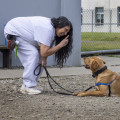
In the vibrant region of Western Washington, pet ownership is not just a hobby; it’s a way of life. With its lush landscapes and pet-friendly communities, this area is home to numerous pet care organizations dedicated to enhancing the lives of pets and their owners. These organizations play a crucial role in providing essential services, including health care, adoption, and importantly, training classes that cater to the diverse needs of pets. Training classes are vital for fostering good behavior and ensuring the safety of pets in various environments. Many pet care organizations in Western Washington offer a range of training options, from basic obedience to specialized skills.
These classes not only help pets learn commands but also strengthen the bond between pets and their owners. By participating in these programs, pet owners can gain valuable insights into their pets' behavior and needs, making for a more harmonious household. Moreover, the emphasis on training reflects a broader commitment to responsible pet ownership within the community. As more people recognize the importance of well-trained pets, the demand for quality training programs continues to grow. This trend has led many local organizations to collaborate with experienced trainers who utilize positive reinforcement techniques, ensuring that both pets and their owners have a rewarding experience.
Overview of Pet Care Organizations in Western Washington
Western Washington is home to a diverse array of pet care organizations that cater to the needs of pet owners and their furry companions.These organizations play a crucial role in providing essential services, including adoption, veterinary care, and training classes.Among the most prominent types of pet care organizations in this region are:
- Shelters and Rescue Groups: These organizations focus on rescuing animals in need and finding them loving homes. They often provide adoption services, fostering programs, and community outreach initiatives.
- Veterinary Clinics: Offering medical care for pets, these clinics are vital for routine check-ups, vaccinations, and emergency services. Many also provide wellness programs to keep pets healthy.
- Training Facilities: Specialized training centers offer classes for pets of all ages. These classes can range from basic obedience training to advanced behavioral modification, helping pet owners develop a strong bond with their pets.
- Pet Supply Stores: While primarily retail-focused, many local pet supply stores also host events and workshops that educate pet owners on various aspects of pet care.
This includes workshops on training techniques, nutrition, and health care.Overall, the variety of pet care services available in Western Washington ensures that pet owners have access to the support they need. Whether you are looking for a new furry friend or seeking professional guidance on training your pet, the region's organizations are equipped to assist you.
Types of Training Classes Offered
Pet care organizations in Western Washington offer a variety of training classes tailored to meet the needs of both pets and their owners. These classes are designed to enhance the bond between pets and their humans while addressing specific behavioral issues.Dog Training Classes
Among the most popular offerings are dog training classes, which typically cover essential skills such as sit, stay, and come. Many organizations provide different levels of training, from puppy kindergarten to advanced obedience.These classes not only teach commands but also focus on socialization, helping dogs learn to interact appropriately with other dogs and people.
Cat Training Classes
While less common than dog training, cat training classes are gaining traction in Western Washington. These classes often focus on litter box training, scratching post usage, and basic commands. Some organizations even offer specialized courses that address behavioral issues like aggression or anxiety in cats.Obedience Training
Obedience training is a cornerstone of pet education. Many pet care organizations emphasize this type of training as it lays the foundation for good behavior.Classes typically include techniques for teaching commands and correcting unwanted behaviors, ensuring that pets are well-mannered companions.
Behavior Modification
For pets with specific behavioral challenges, behavior modification classes are essential. These programs are tailored to address issues such as excessive barking, chewing, or fear-based behaviors. Trainers work closely with pet owners to develop customized strategies that promote positive behavior changes.In summary, pet care organizations in Western Washington provide a comprehensive range of training classes that cater to various needs. Whether you’re looking for basic obedience or specialized behavior modification, there’s likely a class available to help your pet thrive.Benefits of Training Classes for Pets
Enrolling your pet in training classes offered by pet care organizations in Western Washington can yield numerous benefits that enhance both the pet's behavior and the owner-pet relationship.Here are some key advantages:
- Improved Behavior: Training classes help address common behavioral issues such as excessive barking, jumping, and chewing. Through consistent training, pets learn to respond to commands and exhibit more desirable behaviors.
- Socialization Opportunities: Training classes provide a controlled environment for pets to interact with other animals and people. This exposure is crucial for developing social skills and reducing anxiety in new situations.
- Strengthened Bond: Participating in training sessions fosters a deeper connection between pets and their owners. The shared experience of learning and achieving goals together enhances trust and communication.
- Mental Stimulation: Training is not just about obedience; it also engages your pet's mind.
Learning new commands and tricks can be mentally stimulating, helping to prevent boredom-related behaviors.
- Increased Safety: A well-trained pet is often safer in various environments. Commands like "come" or "stay" can prevent dangerous situations, ensuring your pet remains secure during outings.
How to Choose the Right Training Class for Your Pet
Choosing the right training class for your pet is crucial to ensure they receive the best education tailored to their specific needs.Here are some key factors to consider:
- Pet Age: Different age groups require different training approaches. Puppies, for instance, benefit from socialization classes that focus on basic commands and interaction with other dogs. Adult dogs may need more specialized training, such as obedience or behavior modification.
- Breed Considerations: Certain breeds have unique characteristics and learning styles. For example, herding breeds may require more physical activity and mental stimulation compared to smaller breeds.
Researching breed-specific training techniques can enhance your pet's learning experience.
- Training Goals: Identify what you want to achieve with your pet's training. Are you looking for basic obedience, advanced tricks, or addressing behavioral issues? Knowing your goals will help you select a class that aligns with your expectations.
- Class Size: Smaller class sizes often allow for more personalized attention from the instructor, which can be beneficial for both you and your pet. Larger classes may provide a more social environment but can be overwhelming for some pets.
- Instructor Qualifications: Ensure that the trainers are certified and have experience working with pets similar to yours. A knowledgeable instructor can make a significant difference in the effectiveness of the training.
This will give you insight into the training methods used and how well pets respond. Remember, the right training class not only teaches your pet essential skills but also strengthens the bond between you and your furry friend.
Frequently Asked Questions About Pet Training Classes
When considering pet training classes offered by pet care organizations in Western Washington, many pet owners have questions. Here are some frequently asked questions that can help you navigate your options:- What types of training classes are available? Most pet care organizations offer a variety of classes, including basic obedience, puppy socialization, agility training, and specialized courses for behavioral issues.
- How do I choose the right class for my pet? Consider your pet's age, breed, and specific needs. Many organizations provide assessments to help determine the best fit for your pet.
- Are the trainers certified? It’s important to check if the trainers are certified by recognized organizations such as the Association of Professional Dog Trainers (APDT) or the Certification Council for Professional Dog Trainers (CCPDT).
- What is the typical class size? Smaller class sizes often allow for more personalized attention.
Look for organizations that limit their class sizes to ensure effective training.
- How long do classes usually last? Classes can vary in length, but most sessions last between 1 to 2 hours, with a series of classes typically spanning several weeks.
- What should I bring to class? Bring your pet's favorite treats, a leash, and any necessary training tools recommended by the instructor.
Conclusion: The Importance of Training for Pets in Western Washington
In conclusion, the role of pet care organizations in Western Washington extends far beyond basic care; they are pivotal in providing essential training classes that enhance the bond between pets and their owners. As we have explored, these organizations offer a variety of training options tailored to meet the diverse needs of pets and their families.Training is not just about teaching commands; it is about fostering good behavior, ensuring safety, and promoting socialization. By enrolling your pet in a training class offered by a local organization, you are investing in their well-being and your peace of mind.The benefits of proper training include:
- Improved Behavior: Well-trained pets are less likely to engage in destructive behaviors, making for a harmonious home environment.
- Enhanced Social Skills: Training classes provide opportunities for pets to interact with other animals and people, reducing anxiety and aggression.
- Strengthened Bond: Working together in training fosters a deeper connection between you and your pet, built on trust and understanding.