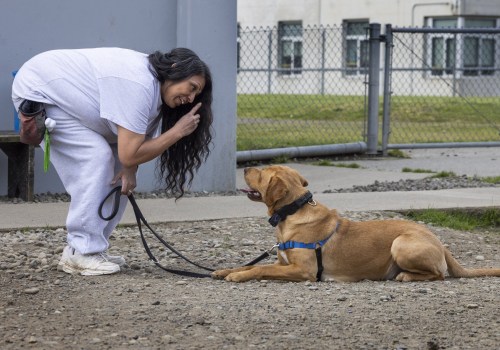
In Western Washington, the landscape of pet care is enriched by a diverse array of pet care organizations that cater to the needs of both pets and their owners. These organizations play a crucial role in promoting animal welfare, providing essential services, and fostering community engagement. From veterinary clinics to pet grooming services, the types of organizations available are as varied as the pets they serve. Understanding these different types can help pet owners make informed decisions about the care and services their furry companions require. Among the most common types of pet care organizations in Western Washington are animal shelters, rescue groups, and veterinary clinics. are animal shelters, rescue groups, and veterinary clinics.
Animal shelters not only provide a safe haven for abandoned or stray animals but also often collaborate with local pet care organizations to facilitate adoptions and promote responsible pet ownership. Rescue groups focus on specific breeds or types of animals, working tirelessly to find them loving homes. Veterinary clinics offer medical care, vaccinations, and wellness check-ups, ensuring that pets remain healthy and happy. In addition to these core services, many pet care organizations in the region offer specialized programs such as training classes, pet therapy sessions, and community outreach initiatives. These programs aim to educate pet owners about proper care techniques and the importance of spaying or neutering pets.
By engaging with local communities, these organizations not only enhance the lives of pets but also strengthen the bond between animals and their human companions.
The Role of Animal Shelters in the Community
Animal shelters in Western Washington play a crucial role in the community by providing a safe haven for abandoned, abused, and stray animals. These shelters are not just places for animals to stay; they are vital organizations that work tirelessly to promote animal welfare and responsible pet ownership.The mission of these shelters often extends beyond mere rescue. They aim to:- Rehabilitate animals that have suffered trauma or neglect, preparing them for adoption into loving homes.
- Educate the public about the importance of spaying and neutering pets to control the population of homeless animals.
- Facilitate community outreach programs that encourage responsible pet ownership and provide resources for pet care.
- Partner with local pet care organizations to enhance their services and reach more people in need.
By collaborating with local pet care organizations, these shelters can amplify their efforts, ensuring that more animals receive the care they need. This partnership often leads to:
- Increased Adoption Rates: Joint events and campaigns can help find homes for more animals.
- Resource Sharing: Pet care organizations can provide additional support services such as veterinary care, training, and behavioral assessments.
- Community Engagement: Together, they can host educational workshops that inform the public about animal welfare issues.
Partnerships Between Pet Care Organizations and Animal Shelters
In Western Washington, pet care organizations are increasingly forming partnerships with local animal shelters to enhance the welfare of animals and promote responsible pet ownership. These collaborations often lead to innovative programs that benefit both the shelters and the communities they serve.Examples of Collaboration
- Adoption Events: Many pet care organizations host joint adoption events with animal shelters, providing a platform for shelter animals to find forever homes.
For instance, the Seattle Animal Shelter frequently partners with local pet grooming businesses to offer free grooming services for newly adopted pets, making them more appealing to potential adopters.
- Training Programs: Organizations like Pawsitive Alliance collaborate with shelters to provide training classes for both shelter staff and new pet owners. This ensures that pets are well-adjusted and reduces the likelihood of returns to the shelter.
- Resource Sharing: Pet care organizations often share resources such as veterinary services, food supplies, and educational materials with shelters. This not only helps reduce costs but also enhances the overall care provided to animals in need.
Benefits of Partnerships
- Increased Adoption Rates: By working together, pet care organizations and shelters can create more engaging adoption campaigns that attract a larger audience.
- Enhanced Community Engagement: These partnerships foster a sense of community involvement, encouraging local residents to participate in volunteer opportunities and support initiatives.
- Improved Animal Welfare: Collaborative efforts lead to better resources and training for shelter staff, ultimately improving the quality of care for animals awaiting adoption.
Case Studies of Successful Collaborations
In Western Washington, several pet care organizations have forged impactful partnerships with local animal shelters, leading to successful outcomes for both animals and the community.Here are a few notable case studies that exemplify these collaborations:
1.Pawsitive Alliance and Seattle Animal Shelter
Pawsitive Alliance, a nonprofit organization dedicated to increasing pet adoption rates, partnered with the Seattle Animal Shelter to launch the "Adopt-a-Pet" campaign. This initiative included:- Joint Adoption Events: Monthly events that showcased adoptable pets from the shelter, significantly increasing foot traffic and adoption rates.
- Community Outreach: Educational workshops on responsible pet ownership, which helped potential adopters understand the commitment involved in pet care.
- Social Media Campaigns: Collaborative efforts on social media platforms that highlighted success stories of adopted pets, encouraging more people to consider adoption.
2.The Humane Society for Tacoma & Pierce County and Local Veterinary Clinics
The Humane Society for Tacoma & Pierce County has established partnerships with various local veterinary clinics to provide low-cost spay and neuter services. This collaboration includes:- Mobile Clinics: Offering spay/neuter services at community events, making it accessible for pet owners who may not afford these services otherwise.
- Educational Programs: Informing pet owners about the importance of spaying and neutering to control the pet population.
- Referral Programs: Clinics refer clients to the Humane Society for adoption opportunities, creating a seamless transition for pets in need of homes.
3.Kitsap Humane Society and Local Businesses
The Kitsap Humane Society has successfully partnered with local businesses to create a "Pet-Friendly Business" program. This program includes:- Fundraising Events: Local businesses host events where a portion of sales goes directly to the shelter, raising funds for animal care.
- Adoption Days: Businesses allow the shelter to showcase adoptable pets in their stores, increasing visibility and adoption chances.
- Employee Volunteer Programs: Employees from partner businesses volunteer at the shelter, fostering a culture of compassion and community involvement.
By leveraging each other's strengths, these partnerships create lasting positive impacts on both animals and their human companions.
Challenges Faced by Pet Care Organizations and Shelters
Partnerships between pet care organizations in Western Washington and local animal shelters are essential for improving the welfare of animals, but they are not without their challenges. Understanding these difficulties can help both parties navigate their collaborations more effectively. One significant challenge is the funding limitations that many organizations face. Both pet care organizations and shelters often operate on tight budgets, which can restrict their ability to provide necessary resources such as veterinary care, food, and shelter facilities. This financial strain can lead to competition for limited grants and donations, making it difficult to establish a cooperative relationship. Another issue is the communication gap that can arise between organizations.Different missions and operational styles may lead to misunderstandings about goals and expectations. For instance, a pet care organization focused on education may prioritize outreach programs, while a shelter may be more concerned with immediate animal rescue efforts. This divergence can create friction if not addressed through open dialogue. Additionally, logistical challenges such as transportation and resource sharing can hinder effective partnerships. Coordinating schedules for joint events or ensuring that animals are transported safely between locations requires careful planning and collaboration.
Without a solid logistical framework, even the best intentions can fall short. Lastly, there is the challenge of community engagement. Both pet care organizations and shelters rely on community support for volunteers and adopters. If one organization is perceived as more favorable or effective than the other, it can create a divide that undermines collaborative efforts. Building a unified front in community outreach is crucial for fostering a supportive environment for all involved. In summary, while partnerships between pet care organizations in Western Washington and local animal shelters hold great potential for enhancing animal welfare, they must navigate funding limitations, communication gaps, logistical challenges, and community engagement issues to be successful.
How to Get Involved with Local Pet Care Organizations and Shelters
Getting involved with pet care organizations in Western Washington is a rewarding way to support local animal shelters and contribute to the welfare of pets in your community.There are numerous opportunities for individuals to engage, whether through volunteering, donating, or participating in events.
Volunteer Opportunities
Many local pet care organizations and shelters rely heavily on volunteers to help with various tasks. Here are some common volunteer roles:- Animal Care: Assist with feeding, grooming, and exercising animals.
- Adoption Events: Help organize and manage adoption days, ensuring pets find loving homes.
- Fundraising: Participate in or organize fundraising events to support shelter operations.
- Administrative Support: Provide assistance with office tasks, such as data entry and customer service.
Support Local Shelters
If you’re unable to volunteer your time, there are still many ways to support local shelters:- Donations: Consider donating money or supplies such as food, toys, and bedding. Many organizations have wish lists available on their websites.
- Sponsorship: Some shelters offer sponsorship programs where you can sponsor a specific animal’s care.
- Advocacy: Spread the word about local shelters and their needs through social media or community events.
FAQs About Pet Care Organizations and Animal Shelters in Western Washington
When it comes to pet care organizations in Western Washington, many people have questions about their roles and partnerships with local animal shelters.Here are some frequently asked questions that can help clarify these relationships:
- Do pet care organizations collaborate with animal shelters?
Yes, numerous pet care organizations in Western Washington actively collaborate with local animal shelters. These partnerships often involve joint initiatives for adoption events, fundraising, and community outreach programs aimed at promoting responsible pet ownership. - What types of services do these organizations provide to shelters?
Pet care organizations may offer a variety of services to animal shelters, including: - Veterinary care and health screenings for shelter animals.
- Training programs for shelter staff and volunteers.
- Assistance with socialization and behavioral training for adoptable pets.
- How can I find out if a specific organization partners with a shelter?
The best way to find out about partnerships is to visit the websites of pet care organizations in Western Washington. Many organizations list their community partners and ongoing collaborations. Additionally, you can contact them directly for more information. - Are there volunteer opportunities available through these partnerships?
Absolutely! Many pet care organizations offer volunteer opportunities that support their work with local shelters.This can include fostering animals, helping at adoption events, or providing administrative support.